

“Guys like Peter Karp, James Taylor and Bob Dylan embody Americana Blues, and us English guys are inspired by it.”
— Mick Taylor, The Rolling Stones
About Peter Karp
Singer-Songwriter-Guitarist-Keyboardist-Producer Peter Karp, born in Bergen County, NJ has carved out one epic career for himself. He was moved to an Alabama trailer park at nine years old, but found his way back to the northeast as a young man. He made his mark playing CBGBs, The Mudd Club and Folk City in Manhattan, sharing the stage and learning from Mink DeVille, Stray Cats, David Johansen and George Thorogood. Then he up and quit to become a film director before returning to music fulltime in the 1990s, befriending Rolling Stones lead guitarist Mick Taylor who flew in from London to play on his The Turning Point album. His 2010 and 2012 duet records with Canadian firecracker Sue Foley brought him a whole new audience before a stunning series of solo albums in ’17, ’18 and ’20 cemented his reputation. He’s spent the past years tirelessly playing venues and festivals to a burgeoning fan base in Europe and the US. Karp continues to carve out his own unique niche, with a sound born in the swamps of New Jersey and the trailer parks of southern Alabama.
Jersey Town is his 13th album, and an homage to his home state. In the 1960s, the rhythms of northern New Jersey pulsed hard with urgency. It was here, in North Jersey, in the grayness, grit, din, and relentless rush-hour traffic, amidst cold and crumbling rusted steel bridges and dark overpasses, beneath looming loading cranes that towered like prehistoric skeletons over billowing refineries and post-apocalyptic swamplands, at the last chance and final stop on the New Jersey Turnpike, that Peter Karp was born.
“Karp is his own man, an artist who blends roots music styles into something that transcends blues, country, R&B and swamp, John Prine’s wordplay, Joe Ely’s rocking instincts, Billy Joe Shaver’s fatalistic outlook.”
— J. Poet – Allmusic.com

Peter Karp feature/cover in March 14 issue of Making A Scene! Magazine
Press Photos
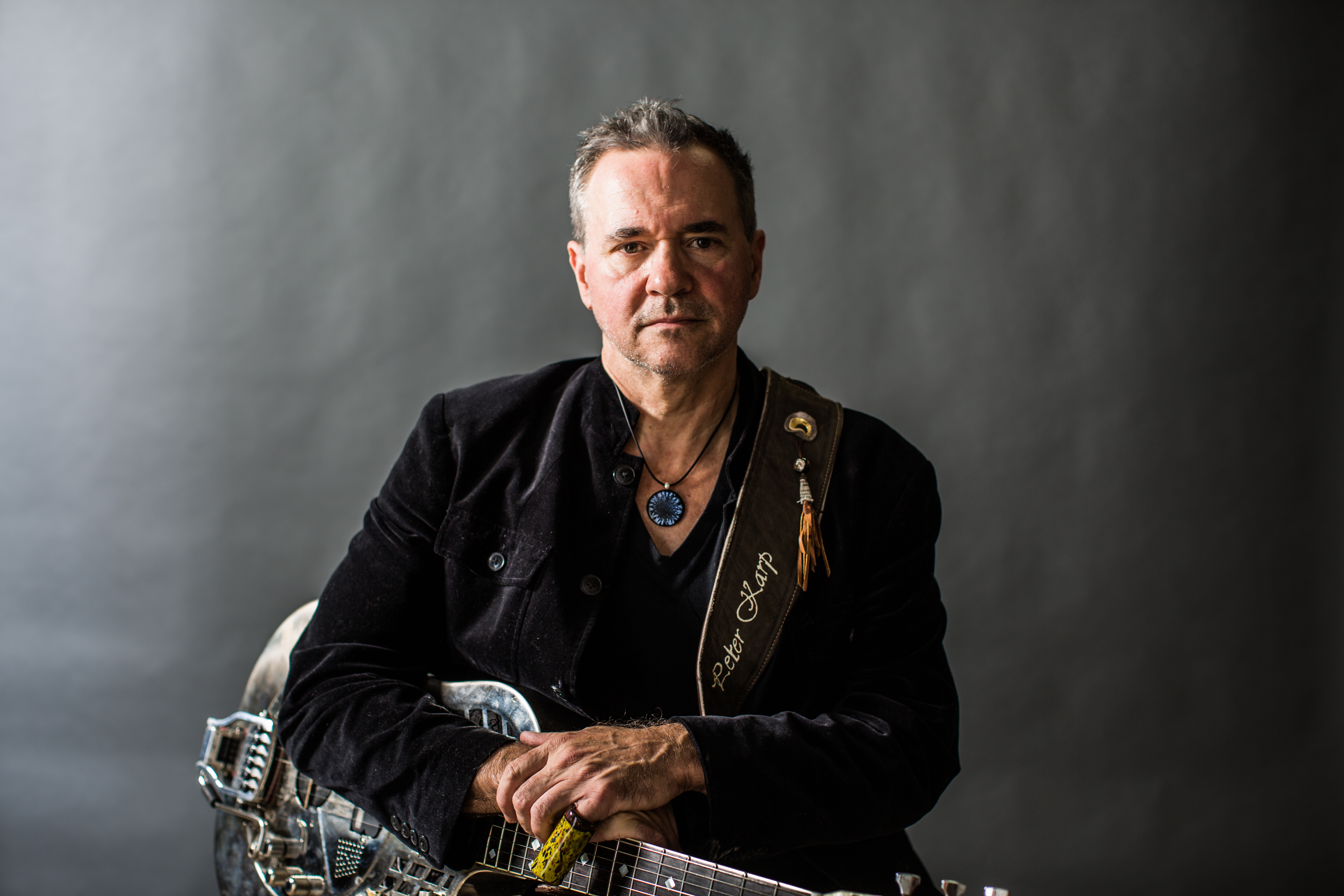
by Andrea Behrends

By Dennise Eisenhut

By Andy Parker